
Sensory Profile Assessment
Understanding how your child processes sensory information and how it affects their daily behaviour and learning.
What It Covers
A structured evaluation of how your child responds to sound, touch, movement, and other sensory input, used to build a personalised sensory support plan.
Good For
What This Assessment Reveals
Explains Puzzling Behaviours
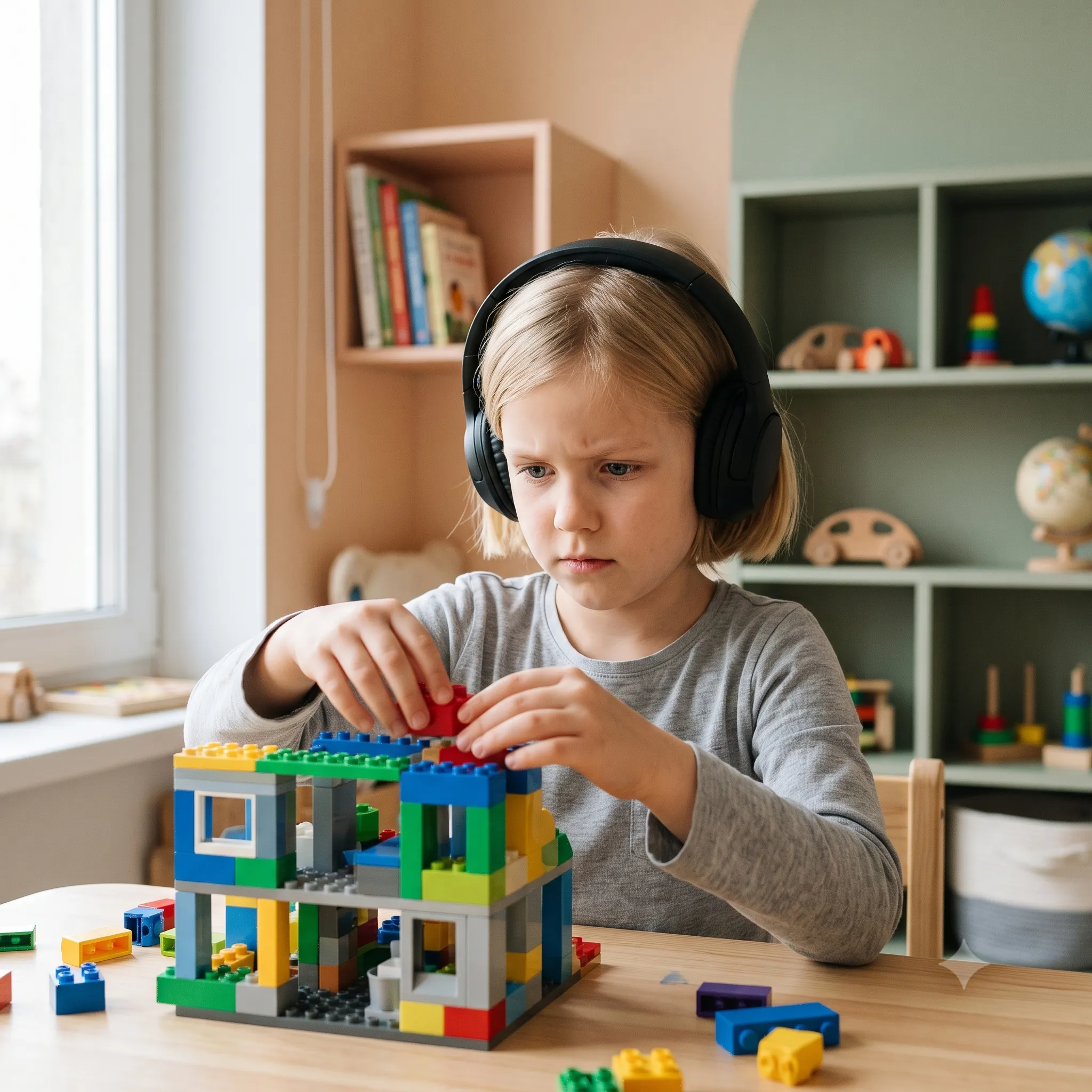
Helps make sense of reactions that seem 'too much' or 'too little': meltdowns over textures, seeking constant movement, or tuning out noise.
A Personalised Sensory Profile
Maps exactly which senses your child seeks out, avoids, or struggles to regulate, not a generic checklist.
A Clear Starting Point for Therapy
Findings feed directly into an occupational therapy plan built around your child's specific sensory needs.
What the Assessment Involves
Parent & Caregiver Interview
We start by hearing your observations: what you've noticed at home, school, and in everyday routines.
Structured Sensory Evaluation
A play-based evaluation of how your child responds to different sensory input across settings.
Scoring & Analysis
Responses are scored against typical developmental patterns to identify specific sensory processing differences.
Results & Care Plan
A clear walkthrough of the findings, with concrete next steps for therapy or home strategies.
Questions About Sensory Processing
Still unsure if this is the right assessment for your child? A free consultation gives you a clear answer.
Ask Us Anything arrow_right_altTypically a single session, though timing can vary depending on your child's comfort and attention on the day.
Explore Other Assessments
One Conversation.
A Lot More Clarity.
Whatever you're noticing, you don't have to figure it out alone. Talk to a clinical lead who listens first, explains clearly, and helps you decide the right next step, at your pace.